Articulations of Health Data and the Home: WP1 Workshop Reflections
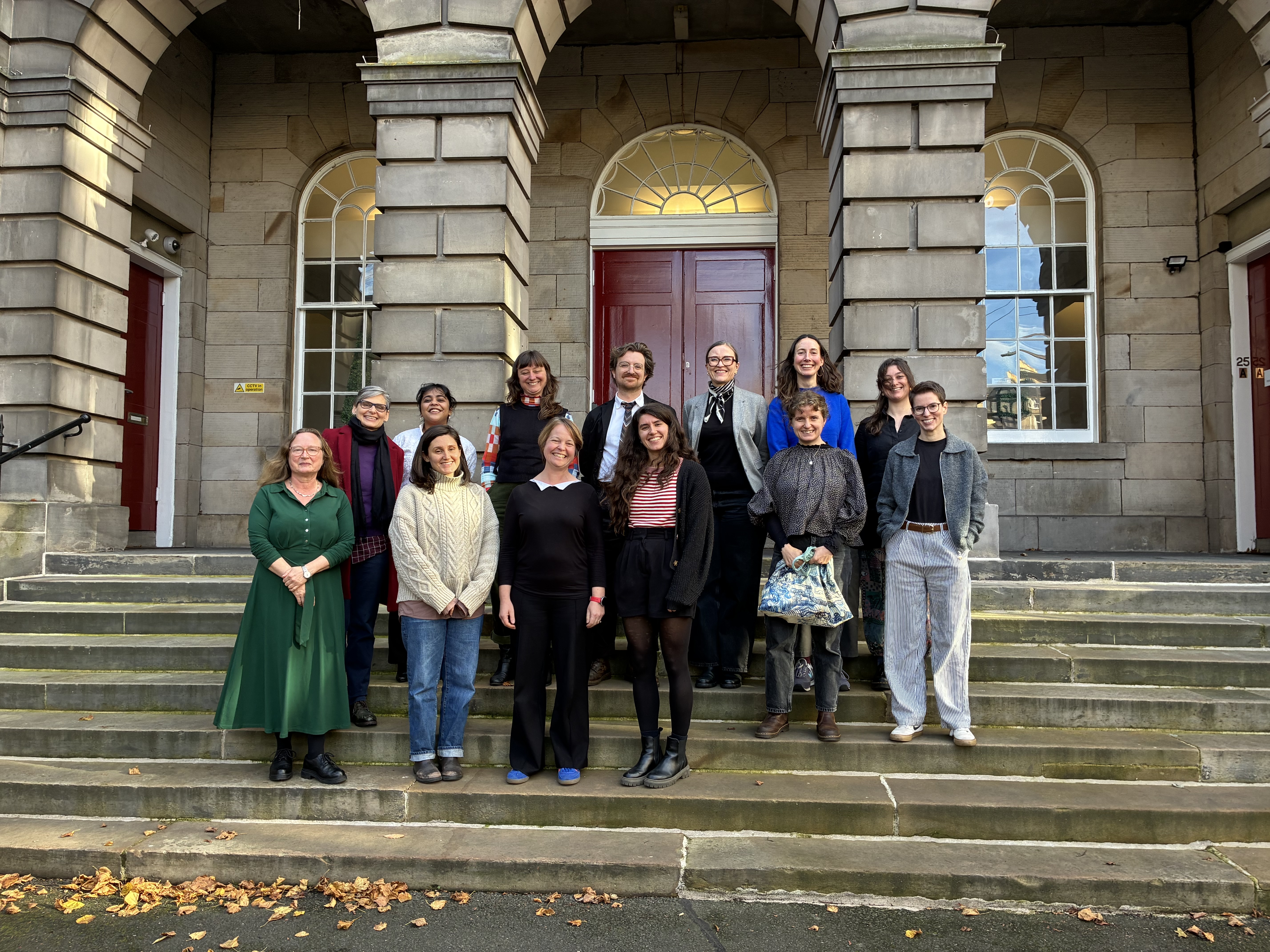
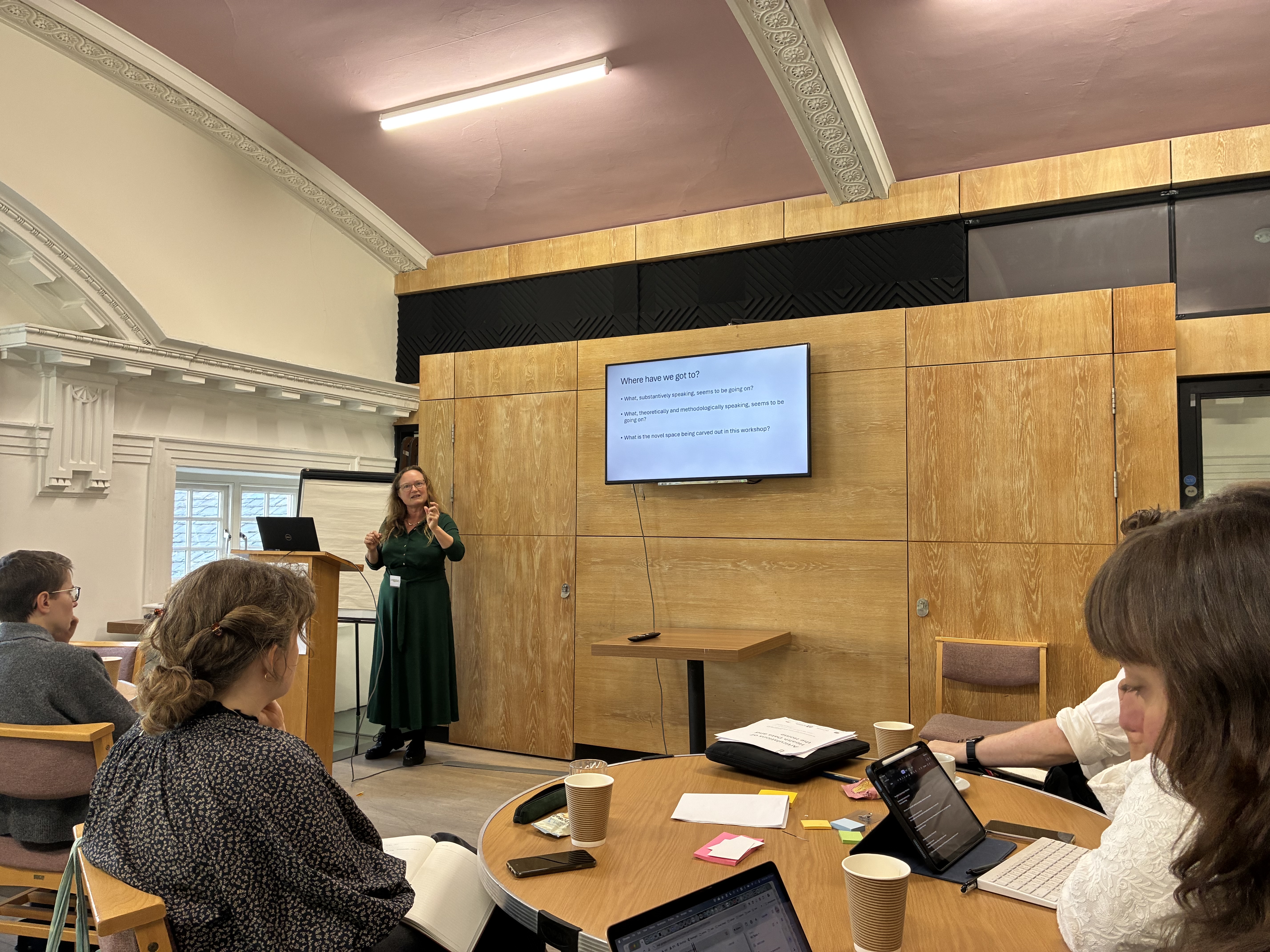
At the end of October, 14 researchers interested in the production and use of health data in the home gathered in Edinburgh for the WP1 workshop. We're a group of researchers across career stages, working within the fields of Anthropology, Sociology, Science & Technology Studies, and Geography, and who travelled from Austria, Canada, Czech Republic, Denmark, England and Scotland.
The underlying questions bringing our group together were: 1) how does health data participate in the production of the home? And 2) how, through data practices, does the home participate in the production of health and disease? These questions are important as health systems globally continue to digitise and decentralise, and as the home becomes an increasingly entangled space for encountering care, health, and data.
In my own work within WP1, I’ve focused on health data in the home in a particular context: remote clinical trials and the development of digital outcome measures. I’ve learned through this work how both health data and the home are multivalent. I designed this workshop to explore the multiplicity of instances in which health data and the home come together, as well as to unpick their many contingencies and consequences. I aimed to draw similarities and differences across our projects and to use these as points of entry into broader questions about how we understand health and disease, ourselves, and our relations to the health system.
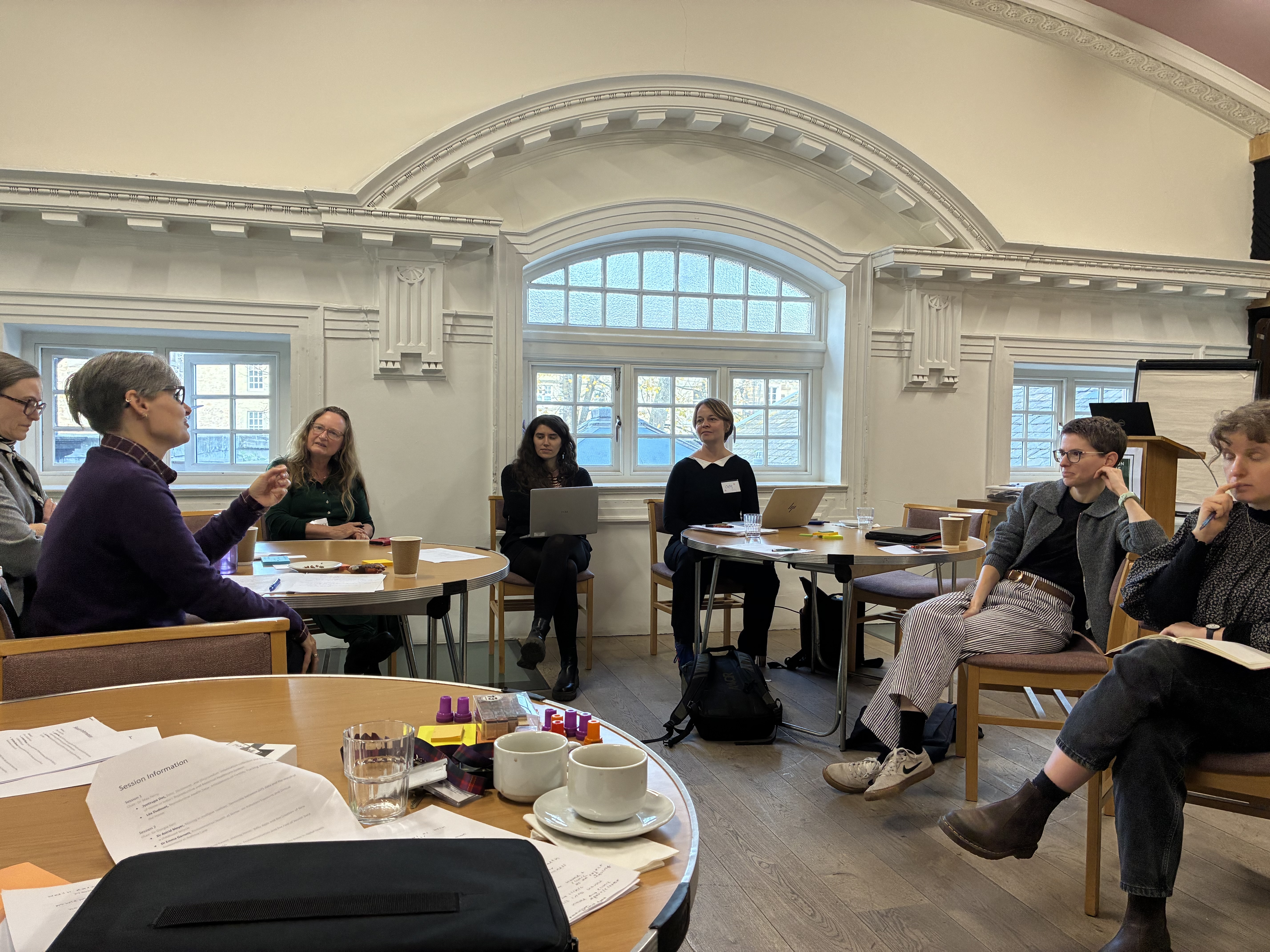
We had a fantastic line-up of presentations covering a diverse range of topics: the place of the home in India’s reproductive welfare system (Jyotirupa Das); reproductive health tracking (Léa Dudouet); the use of GPS and movement data in dementia care (Dr Astrid Meyer); air quality data from the home and the ways it shifts understandings of and practices around asthma care (Dr Emma Garnett); app-mediated newborn baby monitoring and digital parenthood (Dr Marlee Tichenor); the domestication of health data through consumer health technologies and the distinction between feeling good and improving health (Dr Olivia Spalletta); patient-led precision medicine for diabetes management (Dr Hana Porkertová); exploring the intersection of diet, symptoms, and diagnosis in celiac disease (Dr Drew Belsky); and the shifting meanings of ‘participant burden’ as clinical trials relocate to the home (me).
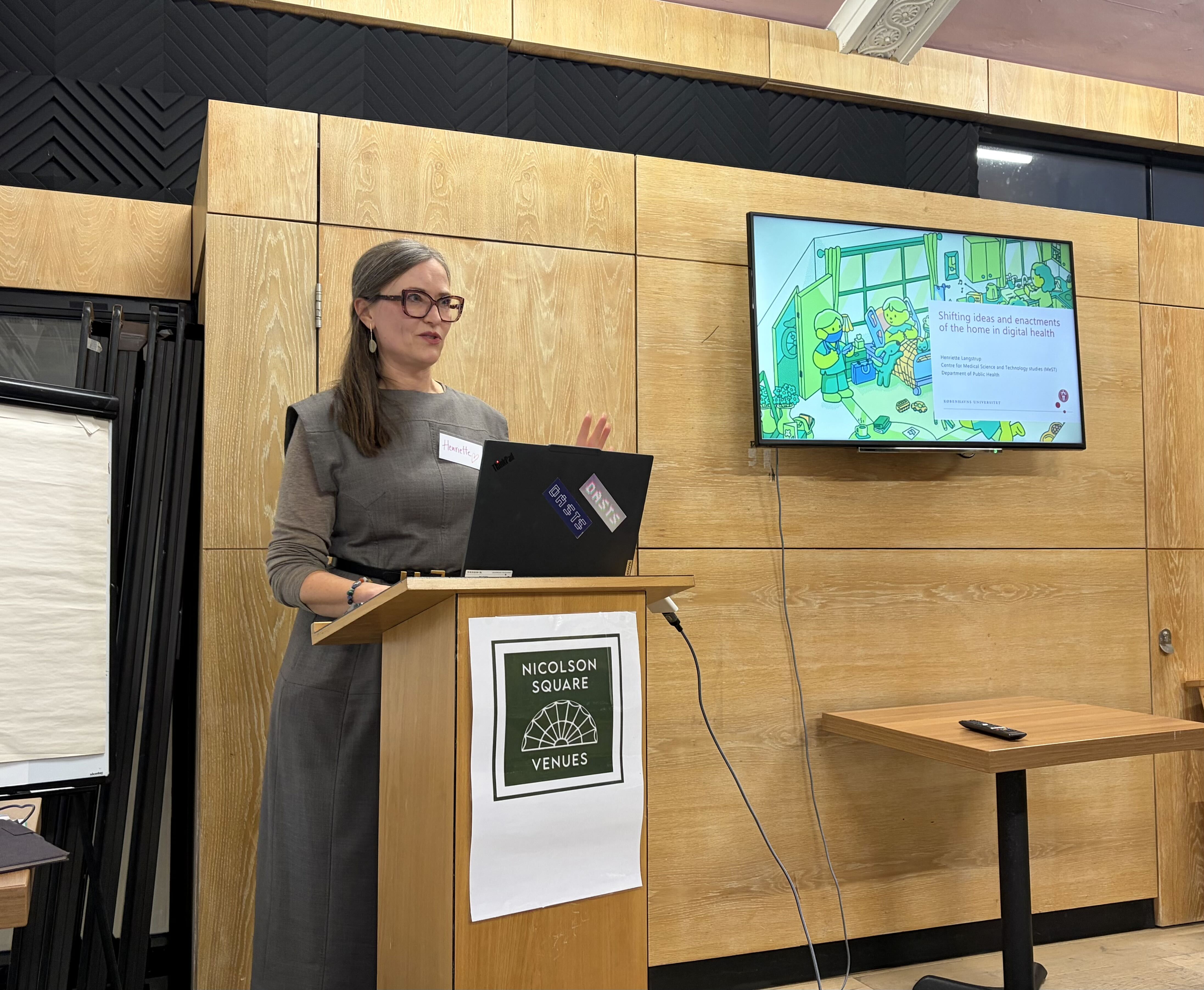
Professor Henriette Langstrup delivered the workshop’s keynote lecture, which mapped out over two decades of digital health development and innovation and the accompanying and changing notions of home. And Professor Christine Hine closed the workshop sharing critical reflections from her career exploring the intersections of digital health, care and the home.
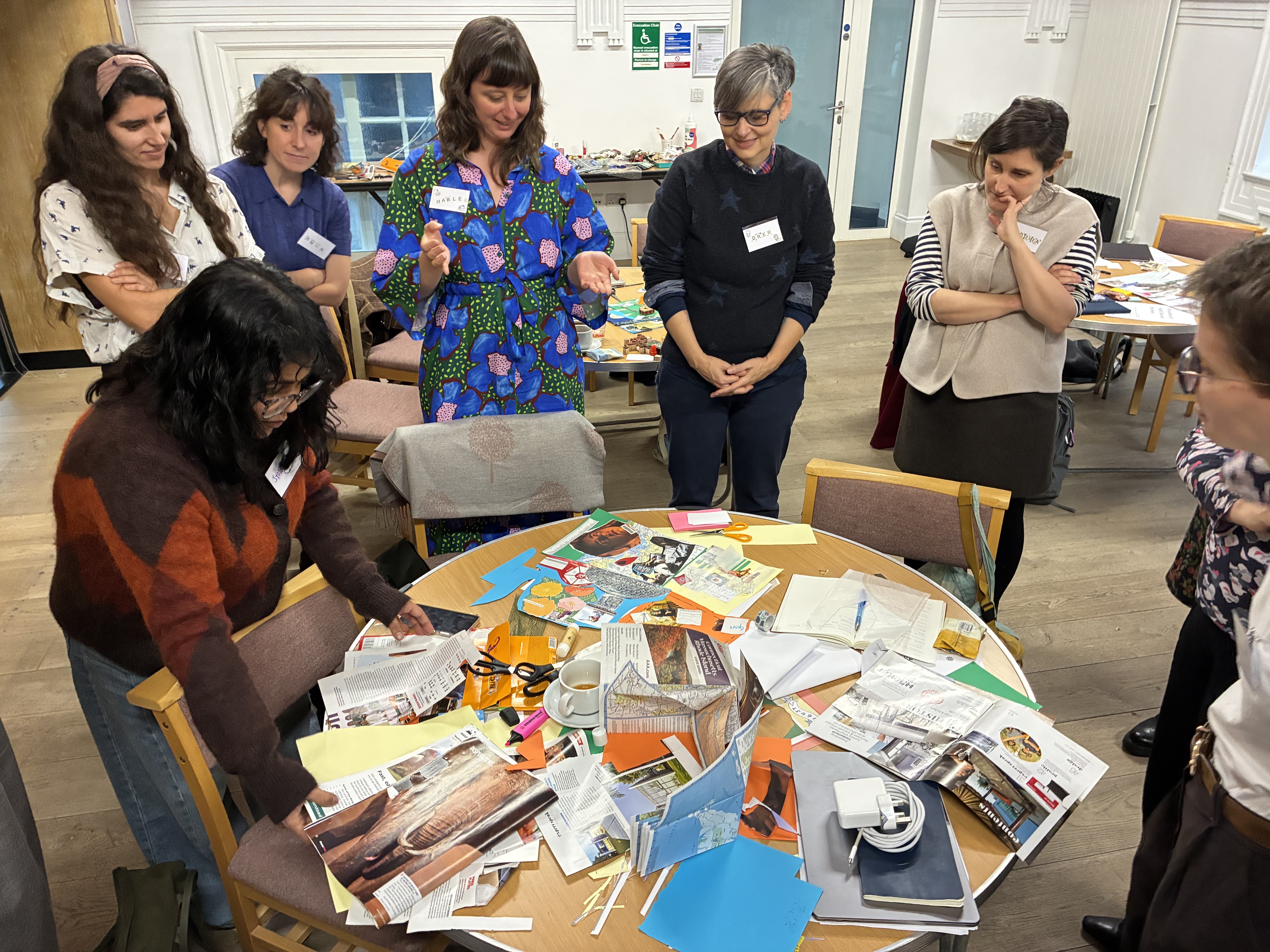
In addition to formal presentations, we also created a space for alternative understandings to emerge through a collaging activity. Instead of discussing prepared research findings, collaging prioritised exploration and gave us a different way to think through the discussions we’d been having.
It was so energising to see how engaged everyone was throughout the discussions. During the first coffee break, I spotted several people whose presentations were later on in the day updating their slides with ideas sparked by the initial presentations. The workshop has raised so many important questions about, for example, the relations between clinic and home, the meaning of privacy, the nature of health data, and the particular experiences and people that digital health makes visible.
Watch this space for several avenues of further work and outputs from the workshop:
Birmingham based illustrator and science communicator, Jordan Collver, will be creating a two-page comic inspired by our workshop discussions
We will be proposing a special issue based on and inspired by workshop discussions
Thank you so much to the participants and speakers. It was such a pleasure to engage with all of you. These conversations have left me invigorated and looking forward to future possibilities of thinking and working together.